
Conference Coverage
Trending on HCPLive
1
ASH Issues New Ferritin Thresholds for Iron Deficiency Diagnosis
2
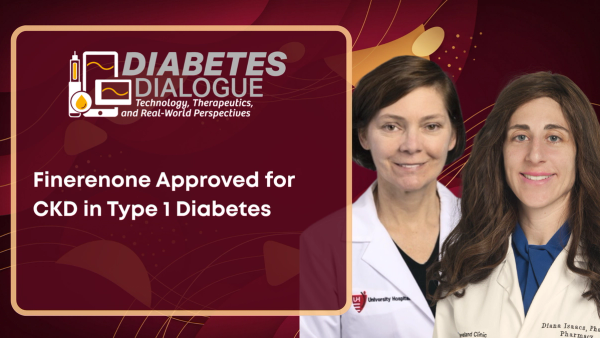
FDA Approves Finerenone (Kerendia) for CKD and Type 1 Diabetes
3
Vicadrostat EASi-KIDNEY Trial Discontinued for Lack of Benefit in CKD
4
Mavacamten’s Improvements in oHCM Symptoms Sustained in Long-Term Extension
5
ERS Congress 2026: 6 Late-Breaking Trials to Know
Latest News









Advertisement
Shorts

1:00
CKM Guidelines Guide Clinicians Through Critical Metabolic Risk Factors
3 hours ago
by
Heather Johnson, MD

1:06
Why Non-Surgical Alternatives Like PDT Are Essential for Dermatology
7 hours ago
by
Neal Bhatia, MD

0:46
Tozorakimab Cuts COPD Exacerbations Across Eosinophil Levels
a day ago
by
Frank C. Sciurba, MD

0:42
Wildfire Smoke Linked to Atopic Dermatitis Flares
2 days ago
by
Wynne Armand, MD

0:53
Overcoming the Complexity Paradox in Heart Failure Treatment
2 days ago
by
John Ostrominski, MD

1:18
No Phone Needed: The Mint Insulin Patch Pump
3 days ago
by
Diana Isaacs, PharmD, BCPS, BCACP, BC-ADM, CDCES(+1 more)

1:10
Why Dupilumab Beats Omalizumab in Asthma Treatment
4 days ago
by
Guy Brusselle, MD, PhD

1:02
The 'Non-Specific' Symptoms Causing Rare Disease Delays
4 days ago
by
Gaia Coppock, MD

1:20
How Lipid Lowering Makes You More Resilient
5 days ago
by
Robert P. Giugliano, MD

1:07
Choosing the Right IL-23 Treatment for Psoriatic Disease
7 days ago
by
David Oberlin, MD















Continuing Medical Education



























































Advertisement
All News
Advertisement

The resubmission follows an FDA Complete Response Letter and cites human factors data showing pouch-opening time fell from 17 to 3 seconds.

The approval, backed by FINE-ONE data showing a 28% UACR reduction at 6 months, is the first new CKD treatment for this group in 3 decades.

In this Q&A, Armand explains why eczema visits spike during wildfire smoke events and how allergic patients can protect themselves.
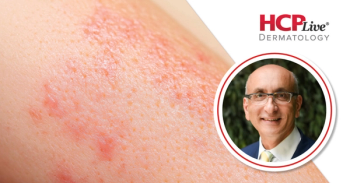
In this Q&A, Leon Kircik, MD, discusses challenging watch-and-wait for molluscum contagiosum with berdazimer gel, 10.3%, at LEADderm 2026.

New ASH guidelines recommend higher ferritin thresholds to improve the diagnosis of iron deficiency across key populations.

In this Q&A, Alysse Wurcel, MD, translates qualitative barriers into 8 concrete tactics healthcare practices can use to expand penicillin allergy delabeling.

In this feature, several leaders in the dermatology space were asked how far we have come and where the field is headed in precision medicine.

Boehringer Ingelheim halted EASi-KIDNEY after a DMC found data did not support a meaningful clinical benefit on the trial's primary endpoint.

Wuyts, of University Hospitals Leuven discusses interim FIBRONEER-ON open-label extension data showing nerandomilast's favorable safety profile.

BEACON-HCC offers a new approach to HCC treatment allocation, with key differences from the updated BCLC framework.
Advertisement

Jim Blando, PhD, of Old Dominion University, explains why allergic patients' lung function dropped most 1 year after wildfire smoke exposure.
Diana Isaacs, PharmD, and Natalie Bellini, DNP, discuss Beta Bionics' new insulin patch pump, expected to be commercialized in Q1 2027.

Atacicept also stabilized eGFR and matched placebo on safety, with a full FDA approval filing planned for Q4 2026.
A multi-site qualitative study identifies communication, language, and access barriers standing in the way of removing incorrect penicillin allergy labels.

However, Connect Biopharma's phase 2 Seabreeze STAT Asthma trial's primary treatment-failure end point missed statistical significance.

Arrowhead's ARO-DIMER-PA cut PCSK9 by 72% and APOC3 by 88% with single doses, driving LDL-C and triglyceride reductions in mixed hyperlipidemia.

FDA accepts Cogent's bezuclastinib NDA for advanced systemic mastocytosis, backed by APEX trial data showing durable, high-rate responses.
Oberlin outlines what dermatologists should weigh, beyond APEX's radiographic data, when selecting a biologic for a patient with psoriatic arthritis.

New research links wildfire smoke to lasting respiratory decline and skin flares, months after exposure ends.
David Oberlin, MD, explains why APEX's enriched trial population, not drug mechanism, likely drove its unique radiographic success in psoriatic arthritis.

Wechsler, of National Jewish Health discusses how oral STAT6 degraders like KT-621 could offer a mechanistically distinct treatment option.

Martin Douglass, PhD, and Vanderbilt colleagues found a Bce module that helps C diff evade bacitracin and host iron restriction
Ameluz is now the first FDA-approved photodynamic therapy for a skin cancer, expanding use to superficial basal cell carcinoma (sBCC) in adults.
Phase 3 data show zasocitinib use led to clear or almost clear skin in around 70% of patients by Week 16, setting up an FDA decision in early 2027.

The novel cardiac sarcomere modulator from Edgewise Therapeutics saw substantial improvements in both nonobstructive and obstructive HCM after 12 weeks.
Advertisement
Advertisement