
Stroke
Latest News
Advertisement
Latest Videos
Shorts
1:00
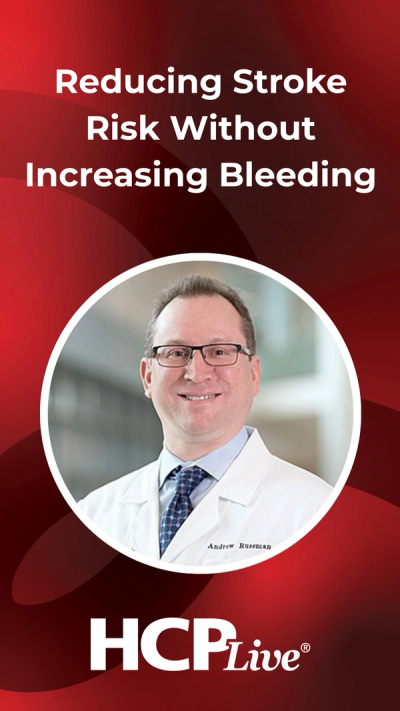
Reducing Stroke Risk Without Increasing Bleeding
4 months ago
by
Andrew Russman, DO
Podcasts

CME Content















































Advertisement
More News
Catch up with major FDA decisions, critical conference news, and more.
Bayer’s investigational FXIa inhibitor has proven its superiority to placebo in reducing ischemic stroke risk without increasing major bleeding rate.
Risks of myocardial infarction, stroke, heart failure, and other debilitating cardiovascular diseases may be directly influenced by adolescent sugar intake.
Read about groundbreaking FDA decisions, exciting new heart failure research, and more.

Recent research refutes the conception that most, if not all, coronary heart disease occurs without typical CVD risk factors.

Despite prior trials indicating the possibility, the AUSPICE study failed to display any difference in risk between patients receiving the vaccine versus placebo.

Findings suggest post-stroke dysphagia is associated with adverse psychosocial outcomes at 3 months, emphasizing the need for comprehensive rehabilitation strategies.

Research shows reduced risk of death, major adverse cardiovascular events, and myocardial infarction, and a non-significant reduction in stroke and cardiovascular death.

A study reveals a significant link between iron deficiency anemia and increased ischemic stroke risk in young adults, highlighting urgent screening needs.

Simple choices like improving diet and increasing exercise can influence a healthy individual’s risk of developing cardiovascular disease.

Bhatt discusses his expectations for the future of cardiology in 2025, including GLP-1-RAs and the push towards combination therapy.
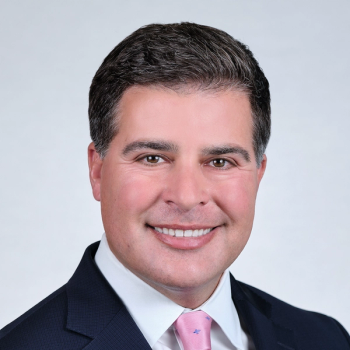
Ruff discusses his expectations for cardiology for the rest of 2025, including new research into GLP-1 receptor agonists.

Le discusses his anticipation for the results of upcoming cardiology trials in 2025, including HORIZON and Target-D.
Our Q1 2025 recap for cardiology spotlights 6 regulatory updates, 5 key trial announcements, and top expert perspectives in cardiac care.

FARES-II trial shows 4-factor PCC is safer, reduces bleeding, transfusions, and complications vs frozen plasma in cardiac surgery.

Data from the REVERSE-IT trial provide vital insight into the efficacy and safety of bentracimab as an FDA decision looms on the horizon.

OAC-naive patients experienced a significantly smaller increase in stroke or systemic embolism with asundexian than apixaban.

The regulatory agency granted 510(k) clearance to Caristo Diagnostics' image analysis software to aid in coronary artery disease diagnosis.
Our top 5 headlines include 5 key FDA decisions, including the first approval for stroke in 3 decades, an expanded indication for pediatric anaphylaxis, and more!
Marking the first stroke medicine approved in nearly 30 years, the single five-second intravenous bolus provides faster administration than the standard of care.

Children who have had a stroke, especially in late primary school, face a greater r risk of anxiety, a study found.

A study found propranolol significantly lowers ischemic stroke risk in women with migraine, highlighting its potential for stroke prevention in high-risk groups.

Siddharth Patel, MD, MPH, discusses how an AZALEA-TIMI 71 analysis presented at ESC Congress 2024.

Asundexian failed to prove noninferiority to apixaban for its primary efficacy outcome in the phase 3 OCEANIC-AF trial.

HIIT exercise post-stroke improved aerobic fitness more than MICT, with significant gains in peak VO2 after 12 weeks.
Advertisement
Advertisement
Trending on HCPLive
1
TRIUMPH-1: Retatrutide Substantially Lowers Weight, BMI in Patients With Obesity or Overweight
2
Machine Learning Model Predicts Type 2 Diabetes Risk Up To 10 Years Out
3
TRANSCEND-T2D-1: Retatrutide Demonstrates Superior Weight Loss and A1c Results Versus Placebo
4
ACCESS: Aleniglipron Achieves Up To 11.3% Weight Loss in Phase 2b Obesity Trial
5