


Vaccination
Latest News
Advertisement
Latest Videos







Podcasts


CME Content



















































Advertisement
More News

The agency anticipates the decision to update monovalent formulas of the Pfizer, Moderna, and future COVID-19 vaccines to reflect circulating variants will become an annual practice.

An analysis into correlation between COVID-19 vaccine uptake and that of more established vaccines showed research is lacking—yet troubling all the same.

A new survey analysis delves into Americans' perspective on the CDC, and local and state health departments, and their handling of the pandemic.
Acceptability of the vaccine was high among the completers and some non-completers that felt it was safe and offered them protection.

An FDA panel voted unanimously this week to support harmonizing an annual primary and booster dose, moving public health strategies to reflect the endemic course of COVID-19.
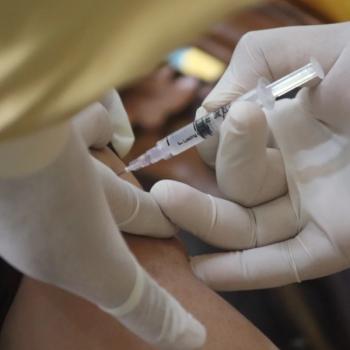
Gut microbiota diversity was lower in below average responders, while 39.5% of participants had a serological response below the geometric mean.

There were 248 patients included in the study with genetic data, with no differences found in mean titer after 2 or 3 doses between carriers and non-carriers of HLA-A24 associated with severe disease during COVID-19 infections.
The pandemic may have both widened the vaccination coverage gap between rural and urban adolescents and affected vaccination coverage in general.
Investigators from found that 12.12% of patients with a previous skin disease diagnosis developed an adverse skin reaction following a COVID-19 vaccine injection.

A cohort analysis of Rhode Island data showed populations at high risk of SARS-CoV-2 exposure are at greater likelihood of reinfection, and would benefit even more greatly from vaccination.

Analysis of patient-reported outcomes last flu season show an approximate 10% increased risk of mild vaccination reactions when receiving both a COVID-19 booster and flu shot instead of a lone booster dose.
The latest EUA, for two-dose NVX-CoV2373, introduces a protein-based adjuvant vaccine to the COVID-19 prevention market.

There was also a greater likelihood of vaccine recommendation observed from pediatricians compared to other medical specialties.

The adverse event rate was 2.2% for patients with IBD following 1 dose of the vaccine.
The guidelines replace risk-based reccomendations for adults between 19-59 years.

Males between 50-64 who have been vaccinated without erythema were at the highest risk of GBS.

Nearly all of the doctors polled recommended the pneumococcal vaccine for patients with cardiovascular disease aged 65 years and older.
As influenza A(H3N2) remains the most prevalent subtype in the US, investigators estimated the available flu shot is not significantly preventing positive cases.

A new study suggests even the phrasing of telemedicine notifications may make a difference in vaccine uptake.
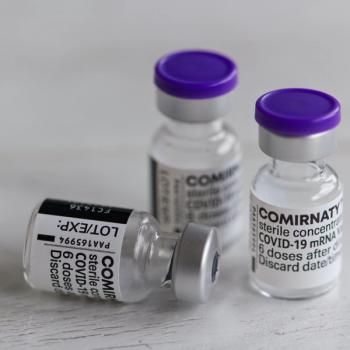
An Israel cohort analysis suggests a "hybrid" of natural and vaccine-induced immunity is associated with the rare likelihood of SARS-CoV-2 reinfection.

New US county data suggest more general and family physicians per capita is positively linked to increased rates of full COVID-19 vaccination.

There was no differences in the incidence of all-cause neonatal hospitalization, post neonatal hospitalizations after birth, congenital anomalies, or infant mortality.

Immunomodulators, incomplete vaccination, and non-mRNA vaccination were associated with a higher risk of adverse events for patients with IBD.

New data show "nocebo responses" are frequent in COVID-19 vaccine studies—which may drive recipients' expectation of side effects.
More than 70% of parents of children with asthma said they in favor of the influenza vaccine during the COVID-19 pandemic.
Advertisement
Advertisement
Trending on HCPLive
1
TRIUMPH-1: Retatrutide Substantially Lowers Weight, BMI in Patients With Obesity or Overweight
2
Machine Learning Model Predicts Type 2 Diabetes Risk Up To 10 Years Out
3
TRANSCEND-T2D-1: Retatrutide Demonstrates Superior Weight Loss and A1c Results Versus Placebo
4
ACCESS: Aleniglipron Achieves Up To 11.3% Weight Loss in Phase 2b Obesity Trial
5