


Acne
Latest News
New Findings on Acne Incidence in Transgender Individuals, With Howa Yeung, MD, MSc

Topical Antioxidant Serum May Be Effective in Treating Atrophic Acne Scars
By Tim Smith
Advertisement
Video Series



Latest Videos






CME Content





















































Advertisement
More News
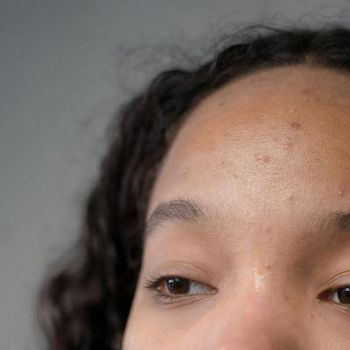
These findings were announced by Sagimet Biosciences, showing that denifanstat met each of its primary and secondary endpoints in patients with acne.

Interim phase 2 data suggest bimiralisib could help patients with actinic keratosis achieve complete or partial clearance of lesions in as little as 2 weeks.

Combined analysis of data from a pair of post-registrational studies demonstrate the clinical profile and patient opinion on treatment with tirbanulin.

This quiz, the second in a series of 4, tests your knowledge on cryosurgery and PDT recommendations for actinic keratosis based on the 2021 AAD guidelines.
This quiz, the first in a series of 4, tests your knowledge on prevention and treatment of actinic keratosis based on the 2021 AAD guidelines.
These findings suggest the ACORN PtGA tool may be effective as an alternative option for acne assessment when a clinician is unavailable.

This cohort study’s findings shed light on associated factors with acne relapse and retrial among individuals with acne who were treated with isotretinoin.
This study pointed to the abilities of patients with acne to adapt to stress and adversity as helpful in making skin-related quality of life improvements.

The Accure Laser System is indicated for long term treatment of patients known to have mild to severe inflammatory acne vulgaris.
These new data provide additional evidence for a range of benzene concentrations detected by in over-the-counter drug products with BPO maintained at room temperature.
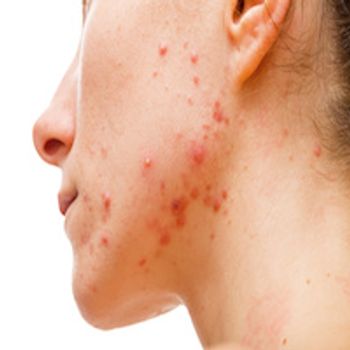
A study found omega-3 supplements and a Mediterranean diet improved acne severity and quality of life in patients without prescription meds.

During this interview segment, Alexis was asked how trifarotene, in combination with an appropriate skincare routine, addresses post-inflammatory hyperpigmentation in skin of color.
This interview featured a discussion of Alexis’s team’s findings on the importance of treating patients with skin of color and acne-induced post-inflammatory hyperpigmentation.
The treatment, made up of clindamycin phosphate, adapalene, and benzoyl peroxide, led to clear or almost clear skin among a significant number of individuals with acne.

In this interview segment, Del Rosso further explores the steps patients and clinicians should take in considering the recent Valisure report on benzene risk for skincare products with benzoyl peroxide.
In this interview, Del Rosso expresses his personal views on the recent report of benzene in benzoyl peroxide acne products.

Isotretinoin was actually linked to a taller adult height among those who took it to treat acne in childhood versus doxycycline, in a new study.

A post-AAD 2024 discussion on the importance of tailoring acne and rosacea management to individual patients’ needs, focusing more attention on diverse skin types and backgrounds.
James Q. Del Rosso, DO, discusses the recent report of benzene risk in benzoyl peroxide, as well as the need for active antibiotic monitoring in dermatology.
The AAD's Acne Management Guidelines include updates to the recommendations for treating acne and aims to assist clinicians and patients in making informed decisions on acne management. Test your knowledge with this quiz.
In recognition of the Pre-AAD 2024 meeting, take our quiz based on Society for Pediatric Dermatology resources.
This analysis concluded that the carcinogen known as benzene can be broadly found in concerning levels within benzoyl peroxide (BPO) acne treatment products.

Additional research on this form of moisturizer and other ingredients for acne with larger sample sizes may be needed to verify efficacy for acne vulgaris.
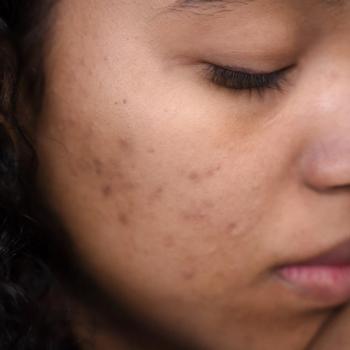
In new guidelines by the AAD, 18 new evidence-based recommendations and 5 practice statements were described for patients 9 years of age and older with acne.

These findings highlight the real access barriers faced by TGD individuals as well as the necessity of additional research to promote evidence-based hormonal acne treatments.
Advertisement
Advertisement
Trending on HCPLive
1
TRIUMPH-1: Retatrutide Substantially Lowers Weight, BMI in Patients With Obesity or Overweight
2
Machine Learning Model Predicts Type 2 Diabetes Risk Up To 10 Years Out
3
TRANSCEND-T2D-1: Retatrutide Demonstrates Superior Weight Loss and A1c Results Versus Placebo
4
ACCESS: Aleniglipron Achieves Up To 11.3% Weight Loss in Phase 2b Obesity Trial
5