




COVID-19
Latest News

Advertisement
Latest Videos






Podcasts
CME Content




















































Advertisement
More News

Patients with schizophrenia and COVID-19 both present dysregulated energy metabolism, explaining the high COVID-19 rates among those with schizophrenia.
Navigating the long road of Long COVID requires more than just recovery from an infection, it demands specialized, multifaceted care to address persistent and often invisible neurological symptoms.

A study found psilocybin therapy brings life-changing relief to depression symptoms triggered by clinicians’ frontline work during the COVID-19 pandemic.

Dexamethasone treatment was linked to worse clinical outcomes in patients with sickle cell disease hospitalized for COVID-19.

HCPLive spoke with Kastl at NASPGHAN about the team’s study on the immune response to the COVID-19 vaccination among children with IBD.

A 6-year longitudinal study, involving more than 200,000 adults, reported a notable rise in dyslipidemia incidence during the COVID-19 pandemic.

Wilson details how her team plans to develop risk assessment models to estimate respiratory viral infection risk reductions for interventions in elementary schools.

Moderate to severe anemia was linked to an increase in cardiac arrest or stroke compared with normal hemoglobin levels in critically ill COVID-19 patients.

A new study found unvaccinated people have a greater risk of depression or serious mental health illnesses compared to vaccinated people.

Emergency department utilization patterns in people with sickle cell disease were impacted by the onset of the COVID-19 pandemic in 4 US states.

Trust in physicians and hospitals dropped from over 70% in 2020 to under 50% in 2024, with declines seen across all demographics, a new survey shows.

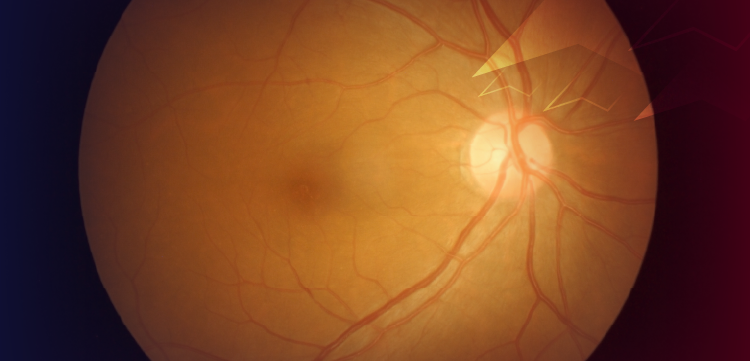
Both vaccine type and period mediated the risk of uveitis after COVID-19 vaccination in patients with a history of the ocular inflammatory event.

New data show COPD and IPF, among other interstitial lung diseases, are more significantly associated with poor 30-day outcomes from COVID-19 than asthma.

New data from NIH investigators show acute respiratory distress syndrome from COVID-19 infection may trigger heart inflammation in patients.

“Having a previous anxiety disorder before a crisis occurs can be a blessing” — a new study found therapy for anxiety before the COVID-19 pandemic helped individuals not have increased anxiety during and after the pandemic.

Now, 4 years since the start of the pandemic, how has sleep been impacted? Sleep experts provide their perspective.

In a post hoc analysis of the ACCT-2 study, a risk profile using simple hematologic parameters identified patients hospitalized with COVID-19 who benefited most from baricitinib treatment.

A new study found female teens and young adults were more likely to have an increased antidepressant dispensing rate during the pandemic than male peers.

A new study found non-hospitalized COVID-19 survivors from a Vietnam general population had a 76.1% prevalence of insomnia, with 22.8% of respondents with insomnia scoring for severe insomnia.

Telehealth appointments, patients who prefer speaking non-English, older adults, and patients on Medicaid had lower odds of having a depression screening during the early COVID-19 pandemic.

According to a new study, overall outpatient mental health care increased from 11.2% to 12.4% between 2018 and 2018. However, for individuals with serious psychological distress, the rate of care decreased from 46.5% to 40.4%.

SARS-CoV-2 antibody levels did not change significantly in patients receiving originator adalimumab, while patients receiving the biosimilar experienced a significant decrease.

In August 2023, 34.5% of mental health visits took place via video, and 10% of primary and subspecialty occurred via telemedicine (including video and/or telephone).

A new study found the risk of Long COVID for short sleepers with pre-existing medical conditions was 3-fold higher than average-length sleepers without pre-existing conditions.

Telehealth visits increased during the COVID-19 pandemic, with a peak in April 2020. About half of primary care visits were telehealth, but the percentage declined and stabilized to about 8% in late 2021.
Advertisement
Advertisement
Trending on HCPLive
1
TRIUMPH-1: Retatrutide Substantially Lowers Weight, BMI in Patients With Obesity or Overweight
2
Machine Learning Model Predicts Type 2 Diabetes Risk Up To 10 Years Out
3
TRANSCEND-T2D-1: Retatrutide Demonstrates Superior Weight Loss and A1c Results Versus Placebo
4
ACCESS: Aleniglipron Achieves Up To 11.3% Weight Loss in Phase 2b Obesity Trial
5