


Pulmonary Fibrosis
Latest News
Advertisement
Latest Videos




Podcasts

CME Content



















































Advertisement
More News

Patients with idiopathic pulmonary fibrosis treated with the STAT3 inhibitor TTI-101 had greater reductions in lung fibrosis scores and IL-6 levels than placebo at 12 weeks.
The pulmonology year in review highlights FDA approvals and pivotal data readouts.
An audio recap of the top 5 stories in healthcare news from the week of 10/5-10/11.

The therapy was well-tolerated in the phase 2a ENV-IPF-101 trial, with mostly mild-to-moderate TEAEs related to treatment.

The new therapy, marketed as Jascayd, previously demonstrated safety and efficacy in the phase 3 FIBRONEER-IPF trial.
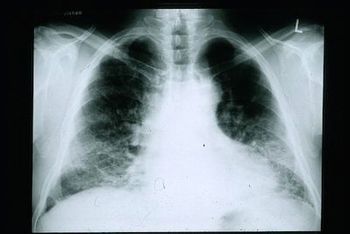
Endeavor BioMedicines' Taladegib gains orphan drug status for idiopathic pulmonary fibrosis, showing promise in improving lung function and patient outcomes.

Yale researchers developed an AI model that illuminates critical details about—and possible treatments for—idiopathic pulmonary fibrosis. It could do so for many other diseases.
Discover the latest advancements in pulmonology, including innovative treatments for asthma, COPD, and pulmonary sarcoidosis, showcased at ATS 2025.

At ATS 2025, these post-hoc analysis findings on taladegib (ENV-101) highlight the treatment’s efficacy for idiopathic pulmonary fibrosis.

The FIBRONEER-IPF and FIBRONEER-ILD data highlight nerandomilast’s efficacy and safety in idiopathic pulmonary fibrosis and progressive pulmonary fibrosis.
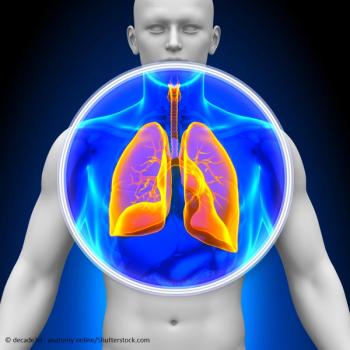
Boehringer plans to soon submit a new drug application for nerandomilast for treating PPF to the FDA.

Kerri Aronson, MD, MS, describes her team's research efforts to create educational resources that address the profound lack of patient knowledge around HP.

People living with HP generally experience a profound lack of knowledge about their disease, driving poorer health-related quality of life. A study sought to create educational resources to curb this effect.

New data show COPD and IPF, among other interstitial lung diseases, are more significantly associated with poor 30-day outcomes from COVID-19 than asthma.

These data suggest the promise of morphine for cough among those with idiopathic pulmonary fibrosis, though longer term research may be necessary.

A year of research emphasizes the significance of collaboration, standardized approaches, and targeted therapies in rare pulmonary diseases.
If approved, OFEV (nintedanib) would be the first and only approved treatment for children and adolescents aged 6-17 years old with fibrosing interstitial lung disease.

"High-risk patients are more likely to experience comorbid conditions and are more likely to use COPD medications and oxygen, reflecting a higher disease burden," Dr. Ann Cameron explains.

Patients treated with NAL ER demonstrated a 75.1% decrease in daytime cough frequency and a 76.1% decrease in 24-hour cough frequency compared with placebo.
The phase 3 clinical trials evaluating ziritaxestat for treating idiopathic pulmonary fibrosis showed no improvement in clinical outcomes leading to the termination of the trials due to lack of efficacy.

In the latest Lungcast, a pair of experts considered the marriage of low-dose CT scanning and machine learning to optimize lung disease interception.
As the US tries to move on from the pandemic, patients with long COVID-19 are fighting to regain normalcy while clinicians improve care plans and researchers search for answers.
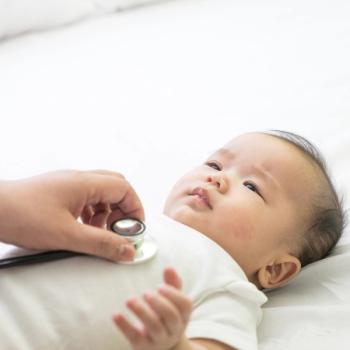
According to the systmatic review, motavizumab, nirsevimab, and palivizumab, are associated with significant reductions in RSV-related infections and hospitalizations without a significant increase in adverse events.
Advertisement
Advertisement
Trending on HCPLive
1
TRIUMPH-1: Retatrutide Substantially Lowers Weight, BMI in Patients With Obesity or Overweight
2
Machine Learning Model Predicts Type 2 Diabetes Risk Up To 10 Years Out
3
TRANSCEND-T2D-1: Retatrutide Demonstrates Superior Weight Loss and A1c Results Versus Placebo
4
ACCESS: Aleniglipron Achieves Up To 11.3% Weight Loss in Phase 2b Obesity Trial
5