


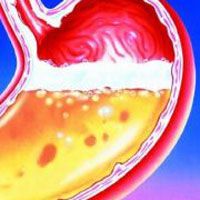

Peptic Ulcer
Latest News
Advertisement
Latest Videos

CME Content






















































Advertisement
More News
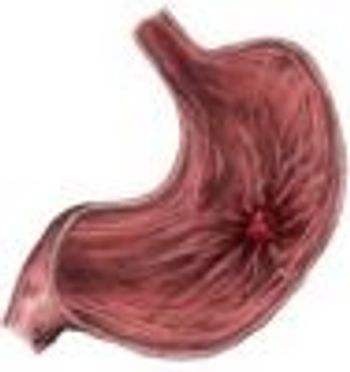
Although they are revolutionary for the treatment of various gastric acid-related disorders, proton pump inhibitors may be linked to interstitial nephritis, according to research published in Kidney International.

With 10% of Americans contracting ulcers, pharmacists can be a valuable source of education for patients regarding the causes of peptic ulcer and the pros and cons of available treatments.

Even when it's administered in a low-dose form that resists gastric acid and prevents tablet dissolution in the stomach, aspirin therapy causes peptic ulcer and increases the risk of 30-day mortality resulting from gastrointestinal (GI) disorder progression.

Patients with H. pylori-negative Ulcers Experience More Frequent Rebleeding and Other Poor Outcomes
By
Research findings underscore the importance of testing peptic ulcer patients for H. pylori status.
Though it's common medical knowledge that an ulcer eating a hole through a patient's stomach requires immediate surgical treatment as a result of its life-threatening nature, new findings from a team of Danish researchers urge physicians to beat the clock in performing emergency surgery on perforated peptic ulcers (PPU).

After noticing the ample adverse effects of second-line Helicobacter pylori eradication treatments that utilize tetracycline, furazolidone and proton-pump inhibitors, one group of gastroenterologists set to work adding a probiotic compound to the regimen in an attempt to increase the stomach bacteria's eradication rate while curbing those unwanted effects.
Researchers investigating the development of peptic ulcers in patients with liver cirrhosis reported that H. pylori is not the predominant etiology in this population.
Researchers in Taiwan report that type 2 diabetes is independently associated with increased risk of peptic ulcer bleeding.

A retrospective review of records from a large medical database finds that patients with sleep apnea face a substantially higher risk of developing peptic ulcer.
Scientists in Japan have developed a new yogurt that includes an antibody that significantly reduced levels of ulcer-producing bacteria in study participants.
Advertisement
Advertisement
Trending on HCPLive
1
TRIUMPH-1: Retatrutide Substantially Lowers Weight, BMI in Patients With Obesity or Overweight
2
Machine Learning Model Predicts Type 2 Diabetes Risk Up To 10 Years Out
3
TRANSCEND-T2D-1: Retatrutide Demonstrates Superior Weight Loss and A1c Results Versus Placebo
4
ACCESS: Aleniglipron Achieves Up To 11.3% Weight Loss in Phase 2b Obesity Trial
5