






Migraine
Latest News
Advertisement
Video Series





Latest Videos


Podcasts
CME Content



















































Advertisement
More News

New ACP migraine guidelines recommend β-blockers, valproate, venlafaxine, or amitriptyline for episodic migraine prevention before using CGRP-targeting drugs.

A study found propranolol significantly lowers ischemic stroke risk in women with migraine, highlighting its potential for stroke prevention in high-risk groups.

Our top 5 headlines include approvals for a non-opioid pain reliever, the latest indication for semaglutide, positive phase 2 data in MASH, and more.

Axsome Therapeutics announced that the FDA approved the NDA for AXS-07 to treat acute migraine with or without aura on January 30, 2025.

Gastroparesis during migraine attacks can hinder oral medication absorption. Migraine experts discuss the connection between gastroparesis and migraine.

Anti-CGRP monoclonal antibodies for migraine prevention were not linked to increased cardiovascular risk, per a Medicare study, addressing earlier safety concerns.

Participants with greater vitamin D levels had a 16% lower migraine prevalence than those with lower vitamin D levels.
We spotlight 5 impactful regulatory decisions scheduled to occur during the first quarter of 2025.

Atogepant 60 mg, an oral CGRP receptor antagonist, demonstrated rapid and effective migraine prevention, reducing frequency and improving function in 4 weeks.

In a recent study, the prevalence of RLS occurred in 42.9% of participants with depression.

A recent study examined the phase 3 trials ADVANCE, PROGRESS, and ELEVATE and saw atogepant 60 mg as a preventive migraine treatment improves quality of life and functioning.

A new study found that individuals with healthier cardiovascular systems are more likely to develop migraines, linking incident migraine to lower cardiovascular risk.

A new study found that the more military personnel are exposed to open burn pits over time, the greater their odds will be for developing headache disorders or migraine.

A study found that migraine-related disability worsens health-related quality of life, with gender-specific differences, particularly affecting women with mild disability.

Phase 3 data found 66.5% of people with migraine attacks treated with STS101 had headache pain relief two hours after the dose.

A meta-analysis revealed taking pregabalin with supplement vitamin D reduced migraine frequency in children by 88%

A study finds CGRP monoclonal antibodies are not clinically superior to topiramate or Botox in treating chronic migraines, raising cost-effectiveness concerns.
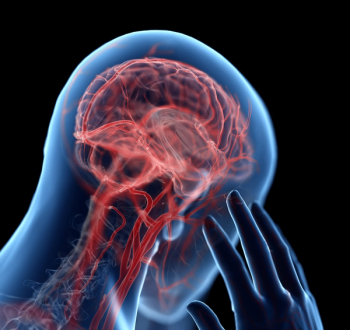
Comorbid migraine and insomnia are linked to altered locus coeruleus connectivity, suggesting it is a biomarker for sleep disturbances and a potential therapeutic target.
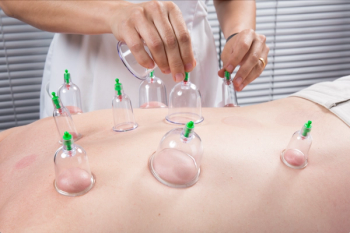
A meta-analysis shows that wet cupping reduces migraine intensity but doesn't improve quality of life. Adjunctive therapies offer limited additional benefits.

A study of > 14,000 patients offers insights on real-world usage and characteristics of new rimegepant users, showing distinct patterns in acute vs. preventive treatment.

Triptans, including eletriptan and sumatriptan, offer better migraine relief than newer, more expensive drugs, suggesting they should be first-line treatments.

A study revealed erenumab at 140 mg is effective and safe in achieving remission of headaches caused by non-opioid medication overuse.

Taking ubrogepant at the first signs of a migraine, before headache onset, significantly reduces migraine symptoms and improves daily function, a study in Neurology reveals.

New research found high diastolic blood pressure is linked to greater odds of a female having a migraine. The study found no other associations between migraines and other CVD factors.

Data from a phase 2 randomized clinical trial demonstrate use of the GLP-1 receptor agonist exenatide could be used as a treatment for idiopathic intracranial hypertension in women.
Advertisement
Advertisement
Trending on HCPLive
1
TRIUMPH-1: Retatrutide Substantially Lowers Weight, BMI in Patients With Obesity or Overweight
2
Machine Learning Model Predicts Type 2 Diabetes Risk Up To 10 Years Out
3
TRANSCEND-T2D-1: Retatrutide Demonstrates Superior Weight Loss and A1c Results Versus Placebo
4
ACCESS: Aleniglipron Achieves Up To 11.3% Weight Loss in Phase 2b Obesity Trial
5