

In this set of interviews, 6 leaders in the field of dermatology highlight their experiences at the 2025 EADV Congress.
In this set of interviews, 6 leaders in the field of dermatology highlight their experiences at the 2025 EADV Congress.
New data reveals ritlecitinib's long-term efficacy for alopecia areata, showing sustained hair regrowth in 30% of patients after 3 years.
Adolescents with alopecia areata show promising treatment responses, highlighting the need for diverse therapeutic options to improve outcomes.
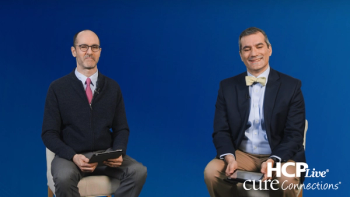
A panelist discusses how they address the psychosocial aspects of alopecia areata by establishing a supportive doctor-patient relationship, validating emotional distress, providing counseling resources or support group referrals, involving mental health professionals when needed, educating about coping strategies, and acknowledging the significant impact hair loss can have on a patient's self-image, relationships, and quality of life.
A panelist discusses how they determine the appropriateness of a Janus kinase (JAK) inhibitor for patients by evaluating disease severity, duration, prior treatment failures, patient comorbidities, risk factors, and laboratory results and engaging in detailed benefit-risk discussions while setting realistic expectations about treatment outcomes and potential adverse effects.
A panelist discusses how determining whether a Janus kinase (JAK) inhibitor is the appropriate treatment for alopecia areata patients, which involves carefully evaluating disease severity, duration, and extent of hair loss, considering previous treatment failures, assessing patient comorbidities and risk factors, reviewing comprehensive laboratory results, discussing potential benefits vs risks of JAK therapy, and establishing realistic expectations about treatment timeline and potential adverse effects.
A panelist discusses how their traditional treatment approach for severe alopecia areata typically involved a stepped care pathway beginning with topical and intralesional steroids before progressing to systemic immunosuppressants or immunotherapy, which often yielded inconsistent, temporary, or incomplete hair regrowth results, leaving significant unmet needs for treatments that could provide sustained efficacy, acceptable safety profiles, and therapies specifically developed for this condition rather than repurposed from other dermatologic disorders.
A panelist discusses how dermatologists typically see patients with alopecia areata after they've already experienced significant hair loss and undergone initial treatments with primary care providers, which impacts treatment by creating potential delays in optimal intervention, heightened patient anxiety, and the need for more aggressive therapeutic approaches to address established disease patterns.
A panelist discusses how alopecia areata is clinically characterized by sudden, patchy hair loss with exclamation point hairs at the periphery and is typically diagnosed through clinical examination, dermoscopy, and sometimes scalp biopsy, noting that patients with a personal or family history of autoimmune disorders, certain genetic markers, or significant stress exposure may be at higher risk for developing this condition.
A panelist discusses how Dr. Mostaghimi approached them about enrolling in a trial for deuruxolitinib for alopecia areata after conventional treatments failed, initially prompting questions about the drug's mechanism, potential adverse effects, trial protocol requirements, and realistic expectations for hair regrowth outcomes.
A panelist discusses how they've tried various treatments for alopecia areata, including topical corticosteroids, intralesional steroid injections, immunotherapy, and Janus kinase inhibitors, with varying degrees of success in managing their condition, from temporary partial regrowth to more substantial and sustained hair restoration with newer targeted therapies.
A panelist discusses how Brea's patient journey involved a gradual recognition of unusual hair loss patterns, followed by an emotional diagnostic process for alopecia areata, which significantly impacted her quality of life through decreased self-confidence, social withdrawal, and psychological distress before finding effective treatment options.
A panelist discusses how finding an effective treatment for their condition has dramatically improved their mental health and quality of life by restoring their confidence and reducing anxiety about their appearance, allowing them to participate more fully in social activities and giving them a renewed sense of hope and normalcy.
A panelist discusses how ritlecitinib can be recommended for alopecia areata after previous treatments proved ineffective, initially raising questions about the medication's safety profile, potential adverse effects, and realistic timeline for hair regrowth.
A panelist discusses how they first noticed their hair loss through unexplained balding patches, which led to an eventual diagnosis of alopecia areata after consulting with a dermatologist who identified the autoimmune condition through physical examination and scalp analysis.
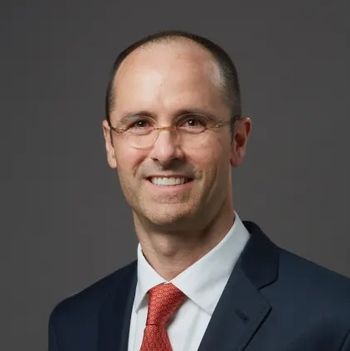
This interview covers the findings presented at AAD 2025 from the SIGNAL-AA study on bempikibart for alopecia areata.
This summary, featuring 4 leading experts, provides an overview of what dermatologists may look forward to during the AAD 2025 Annual Meeting.

In this MEDcast episode, Raj Chovatiya, MD, PhD, and George Han, MD, PhD, interview Brett King, MD, PhD, to discuss the latest advances in the treatment of alopecia areata.
Expert dermatologists discuss the importance of continued education for physicians treating patients with alopecia areata.
Dr. Brett King shares novel mechanisms of action under research for the treatment of alopecia areata in different age groups.
The expert panel discusses the secondary analysis from the phase 3 BRAVE clinical trials of baricitinib in alopecia areata.
Drs. Raj Chovatiya, George Han, and Brett King discuss the use of baricitinib for the treatment of moderate to severe alopecia areata.
The expert panel highlights the psychosocial burden of alopecia areata on patients and discusses the current treatment paradigm.

Experts in dermatology review how JAK inhibitors will impact dermatology care across the board.
Jerry Bagel, MD, MS, and Brett King, MD, PhD, consider how new advances in oral medication will impact physicians’ and patients’ decision-making when it comes to treatment of alopecia areata, vitiligo, and atopic dermatitis.
Dermatology experts discuss clinical specifics of JAK [Janus kinase] inhibitors and their impact on the treatment of patients with vitiligo and alopecia areata.
Jerry Bagel, MD, MS, and Brett King, MD, PhD, discuss the use of topical JAK inhibitors in alopecia areata, vitiligo, and atopic dermatitis.
Brett King, MD, PhD, shares insight on the dosage efficacy of oral JAK inhibitors abrocitinib and upadacitinib in atopic dermatitis.
Jerry Bagel, MD, MS, and Brett King, MD, PhD, explore how severity of disease factors into treatment selection regarding the use of JAK inhibitors.
Drs Jerry Bagel and Brett King discuss safety considerations and the clinical impact of how boxed warnings for JAK inhibitors highlighting how they affect physician decision-making.

August 5th 2022
September 23rd 2022

August 19th 2022

July 1st 2022

